Safety Advice for Parents for Martial Arts
What to look for, what to ask, and how to make sure your child is training in a safe, responsible environment.
Martial arts can be one of the safest and most rewarding activities for children, building confidence, coordination, discipline and respect. But like any activity, your child’s safety and wellbeing depend heavily on who is teaching them and how the club is run.
Unlike many sports, martial arts in the UK is not legally regulated, which means anyone, regardless of qualifications or background, can set up a club and begin teaching. That’s why it’s crucial that parents do their own checks and ask the right questions before enrolling a child.
Here’s what every parent should know and look for.
1. Safeguarding First
Before anything else, make sure the club:
- Has a clear and accessible safeguarding policy
- Has a named Designated Safeguarding Lead (DSL)
- Requires instructors and volunteers to hold enhanced DBS checks
- Actively promotes child protection and safe conduct on and off the mats
If a club doesn’t mention safeguarding, or seems unsure when you ask, that’s a major red flag. Safety should never be optional.
2. Instructor Qualifications
A safe club starts with competent instructors. Ask:
- What martial arts qualifications or grades do they hold?
- Who awarded those qualifications, and are they recognised?
- Do they have first aid training?
- Have they undertaken safeguarding or trauma-informed coaching training?
At BMABA, we independently verify instructor grades and hold our clubs to nationally benchmarked frameworks for safety, insurance and safeguarding through our RegulationReady certification, so these answers aren’t left to trust.
3. Environment and Supervision
Look around the training space and consider:
- Is it clean, well-lit and free from hazards?
- Are children always supervised, including during breaks?
- Are parents welcome to stay and observe sessions?
- Is the instructor calm, professional and respectful in tone?
Trust your instincts. If something feels rushed, chaotic or unstructured, ask more questions.
4. Ratios and Boundaries
Check that:
- There is an appropriate child-to-instructor ratio
- The club uses clear, respectful language when correcting children
- Physical contact is kept appropriate, professional and explained
- The instructor sets healthy boundaries and maintains authority without aggression or intimidation
Martial arts should teach control, not fear.
5. Insurance and Oversight
Ask to see evidence of:
- Public liability insurance
- Instructor insurance
- Club membership with a recognised association
BMABA clubs are covered by specialist martial arts insurance and operate within an organisation certified to ISO 9001:2015 and ISO 27001:2022 under UKAS accreditation, with annual independent audits. Accountability isn’t a promise. It’s a system.
6. Communication and Transparency
A good club should be open and transparent. Look for:
- A clear website and professional communication
- Written policies covering safeguarding, complaints and first aid
- Willingness to answer your questions and show documentation
If a club is dismissive or vague when you raise concerns, that’s a signal to reconsider.
7. Trust Your Gut
Above all, listen to your instincts. You know your child best. If something doesn’t feel right, whether it’s how children are treated, an instructor’s attitude, or the lack of answers to your questions, it’s okay to walk away.
Good clubs welcome scrutiny. They want you to feel confident and reassured, and they’ll have nothing to hide.
Check Any Instructor In Seconds
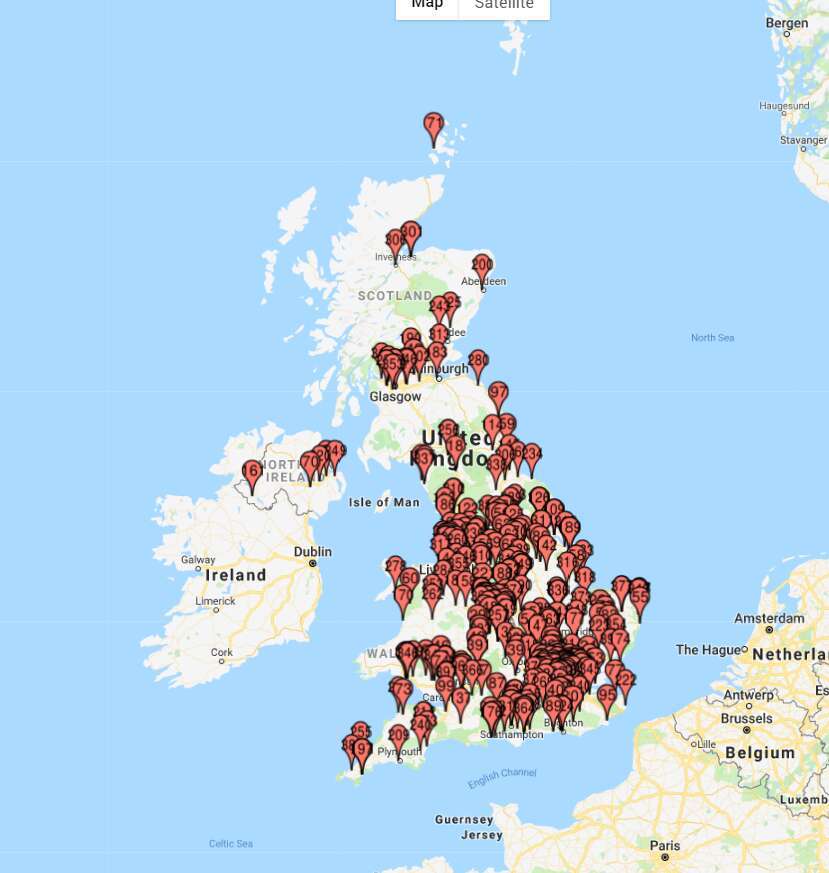
You don’t have to rely on a club’s word. Every BMABA-registered instructor appears on our free, public National Register, where you can check membership status, insurance, DBS clearance and safeguarding qualifications in real time, all in one place. If someone has been suspended or removed, you’ll see that too. It’s the level of transparency we believe every parent deserves, and no other martial arts body in the UK offers it.
Worried About Something?
If you’ve seen or heard something that concerns you, at any club, whether they’re a BMABA member or not, you can contact our safeguarding team for advice at any time. You don’t need to be a member, and you don’t need to be certain. We’d always rather hear a concern that turns out to be nothing than miss one that mattered.